


Ensuring the safety, reliability, and compliance of commercial vehicles is a top priority for fleet managers. Annual truck MOT tests play a crucial role in maintaining the roadworthiness of trucks and lorries, protecting drivers, cargo, and other road users. Preparing for these inspections can prevent delays, costly repairs, and operational disruptions. This guide outlines what is checked during a lorry test, how truck MOTs differ from car MOTs, common reasons for failures, and how using a professional vehicle testing facility like Transcare can benefit your fleet.
Understanding Truck MOTs
A truck MOT is a comprehensive inspection designed to ensure that heavy goods vehicles comply with legal and safety standards. While car MOTs focus on general road safety, truck MOTs are more rigorous due to the size, weight, and operational demands of commercial vehicles. Examiners inspect multiple critical systems, including brakes, suspension, steering, lighting, tyres, emissions, and structural integrity. In addition, load security and vehicle documentation are checked to ensure compliance with legal requirements.
For fleet managers, understanding what is involved in a truck MOT is essential. The inspection is not just a bureaucratic formality; it safeguards drivers and the public while reducing the risk of breakdowns that could halt business operations. A well-prepared fleet minimises downtime, prevents unexpected failures, and maintains the professional reputation of the business.
What is Tested During a Lorry Test
During a lorry test, examiners assess the overall condition of the vehicle, looking for any factors that could compromise safety or performance. The brakes are a major focus, as trucks require efficient stopping power under heavy loads. Steering and suspension systems are also thoroughly checked to ensure stability and safe handling. Lighting and signalling are examined to guarantee visibility, while tyres and wheels are inspected for tread depth, alignment, and condition.
Emissions testing is an increasingly important aspect of truck MOTs, especially as environmental standards tighten across the transport industry. Examiners also assess the structural integrity of the vehicle, including bodywork, chassis, and load-securing mechanisms. This ensures that any cargo carried by the truck remains safely in place during transit.
Because commercial vehicles often have attachments such as tail lifts, refrigeration units, or additional safety equipment, these features are also inspected to confirm they function correctly. A truck that passes its MOT demonstrates that all these systems are operating within safe parameters, giving fleet managers confidence in their vehicles’ performance on the road.
How Truck MOTs Differ from Car MOTs
While both car and truck MOTs share the goal of road safety, the differences are significant. Trucks are heavier, larger, and subject to stricter regulations. The braking, suspension, and tyre requirements are more demanding because trucks carry heavier loads. Additionally, trucks often feature complex systems such as refrigeration units, electronic logging devices, or hydraulic lifts, which require careful inspection.
Record-keeping and documentation are also more important for commercial vehicles. Fleet managers must maintain detailed logs of servicing, repairs, and modifications, which may be reviewed during the MOT. Compliance with these requirements ensures that the fleet meets regulatory standards, avoiding fines or operational restrictions. These factors mean that fleet preparation must be more thorough than with standard car MOTs, reinforcing the need for regular truck servicing and proactive maintenance strategies.
Common Reasons Trucks Fail MOTs
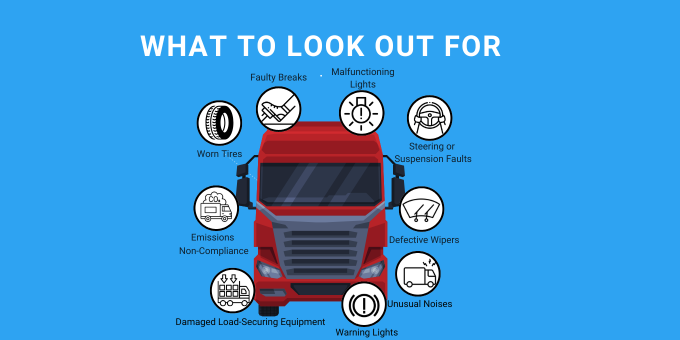
Many MOT failures occur because minor maintenance issues are overlooked. Common problems include worn tyres, faulty brakes, malfunctioning lights, steering or suspension faults, and emissions non-compliance. Other frequent causes include defective wipers, damaged load-securing equipment, and minor structural damage. Even small issues can result in a failed test, leading to downtime and costly corrective work.
Additionally, trucks that operate in harsh conditions or over long distances may be more prone to mechanical wear, increasing the likelihood of MOT failures if regular maintenance is neglected. By identifying these risks in advance, fleet managers can take steps to reduce failure rates and maintain operational efficiency.
Pre-MOT Preparation Steps
Effective preparation begins with routine inspections and servicing. Fleet managers should ensure all vehicles undergo a thorough pre-MOT check, addressing any potential issues with brakes, lights, tyres, and load security. Documentation of repairs and servicing should be kept up to date, providing examiners with proof of ongoing maintenance. Drivers should be trained to report any unusual noises, warning lights, or handling issues immediately, allowing for timely intervention before the MOT test.
By taking these proactive steps, fleets are less likely to encounter unexpected failures, ensuring smoother testing and continued compliance with legal requirements.
The Benefits of Using Transcare for Fleet MOTs
Partnering with a professional vehicle testing facility, such as Transcare, provides numerous advantages for fleet managers. Our team of experienced technicians understands the complexities of commercial vehicles and ensures that every aspect of a truck MOT is thoroughly checked. Transcare offers a combination of expert inspections, preventative truck servicing, and guidance on ongoing maintenance, helping fleets remain safe, efficient, and compliant.
Using Transcare means fleet managers benefit from faster, more reliable testing schedules. Large fleets can be accommodated without disrupting operations, and our team provides advice on best practices to prevent repeat failures. Professional inspection and maintenance also extend the lifespan of vehicles, reduce downtime, and improve operational efficiency.
Optimising Commercial Fleet Maintenance
In addition to MOT preparation, ongoing commercial fleet maintenance is essential for long-term performance. Regular servicing not only addresses immediate mechanical needs but also identifies potential problems before they escalate. Preventative maintenance includes checking brakes, steering, suspension, lighting, tyres, and emissions systems. Attention to these areas helps ensure trucks are ready for their next MOT and can operate safely on a day-to-day basis.
Maintaining a comprehensive maintenance schedule also improves fuel efficiency and reduces operational costs, making fleets more sustainable and cost-effective. Fleet managers who prioritise proactive care experience fewer unexpected breakdowns, lower repair expenses, and improved vehicle reliability.
Protecting Your Fleet and Business
Annual truck MOT tests are a vital component of fleet management. Understanding the differences between car and truck MOTs, knowing what is inspected during a lorry test, and addressing common reasons for failure all contribute to a safer, more efficient fleet. Transcare ensures expert inspections, reliable service, and ongoing guidance on truck servicing and commercial fleet maintenance.
By preparing your fleet properly, maintaining detailed records, and using professional services, fleet managers can reduce downtime, maintain compliance, and operate more efficiently. Regular checks and preventative maintenance not only improve MOT pass rates but also protect drivers, cargo, and the reputation of your business.
Get in Touch with Transcare Today
Ensure your fleet is fully prepared for its truck MOT with Transcare’s expert inspections and maintenance services. Our team offers tailored solutions to keep your commercial vehicles safe, compliant, and operational. Contact us today to schedule your fleet’s MOT tests.