
A truck inspection checklist is one of the simplest ways to improve safety, reliability and company vehicle maintenance. For fleet operators, logistics businesses and commercial vehicle managers, daily checks help confirm that trucks and trailers are roadworthy before they leave site. They also create a clear process for reporting defects, arranging lorry maintenance and preventing small faults from becoming expensive downtime.
Why Does a Truck Inspection Checklist Matter for Fleet Reliability?
Fleet reliability depends on more than reacting when a vehicle breaks down. It relies on finding signs of wear, damage or failure before they affect safety, delivery schedules or compliance. A truck inspection checklist gives drivers a repeatable process for checking the same important areas every day.
Many vehicle issues start small. A damaged tyre, loose wheel fixing, faulty light, fluid leak, warning light or worn trailer coupling can quickly become a roadside delay or safety concern. A daily checklist helps drivers identify these issues before a journey begins and gives managers the information they need to arrange repairs.
For larger fleets, consistency is especially important. A shared process helps every driver work to the same standard and gives the business a stronger overview of vehicle condition.
A checklist turns daily inspections into a controlled fleet reliability process.
What Should Be Included in a Daily Truck Inspection Checklist?
A daily truck inspection checklist should cover the main safety-critical areas of the vehicle, along with any equipment specific to the truck, trailer or body type. It should be detailed enough to guide drivers, but simple enough to complete properly before work starts.
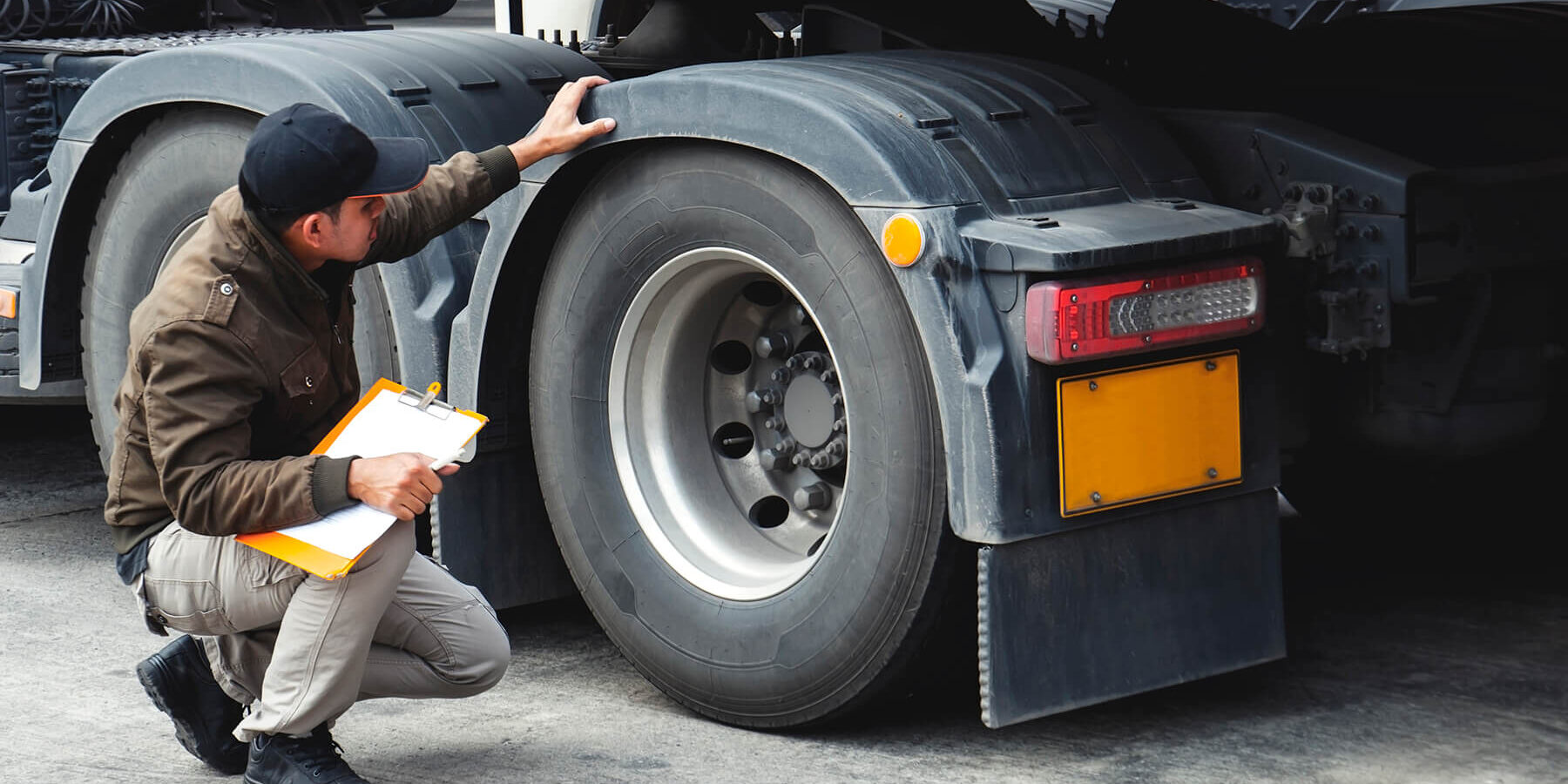
Typical checks should include lights, indicators, tyres, wheel fixings, brakes, steering, suspension, mirrors, windows, wipers, bodywork, load security, trailer couplings, landing legs, air lines, electrical connections, fluid leaks, number plates, markings, tachograph, horn, seatbelts and dashboard warning lights. Tail lifts, Joloda Hydraroll systems or other specialist equipment should also be checked where fitted.
The checklist should also record the date, vehicle registration, trailer number if relevant, driver name, mileage, defects found and action taken. Recording “nil defects” is useful too, as it shows that the inspection has been completed even when no fault is identified.
The best checklist is practical, consistent and easy for drivers to complete every day.
How Do Daily Walkaround Checks Support Compliance?
Daily walkaround checks are an important part of keeping heavy goods vehicles safe and roadworthy. Drivers should check that their vehicle is safe before starting a journey, and operators need effective systems for inspecting, maintaining and repairing vehicles.
A checklist supports compliance because it creates a clear record of what has been checked. If a defect is found, it should be reported clearly and promptly, assessed by the right person and repaired before the vehicle is used again if the fault is safety-critical.
Maintenance records also matter. Operators are expected to keep records of safety inspections and maintenance, including work carried out by a maintenance contractor. A well-managed checklist helps connect daily driver checks with wider company vehicle maintenance records.
Daily checks help show that vehicle safety is being managed, recorded and reviewed.
What Is the Difference Between Daily Checks and Scheduled Truck Servicing?
Daily checks and scheduled truck servicing work together, but they are not the same. A walkaround check is a driver-led inspection to spot visible defects before use. Truck servicing is a more detailed maintenance process carried out by trained technicians at planned intervals.

Both are essential. A checklist may highlight a defective light or tyre, while servicing can identify deeper mechanical or diagnostic issues. For dependable maintenance support, our complete truck and trailer service and maintenance support helps keep vehicles safe and ready for work.
Daily checks protect immediate safety, while servicing protects long-term vehicle performance.
How Can Early Fault Reporting Reduce Costly Repairs?
Early fault reporting is one of the biggest benefits of using a truck inspection checklist consistently. Small issues are usually quicker and less expensive to fix than major failures. Spotting uneven tyre wear may highlight an alignment issue. Reporting an air leak may prevent a breakdown. Acting on a warning light early may stop a developing fault from causing more serious damage.
For commercial fleets, this has a direct impact on productivity. One vehicle off the road can affect delivery times, customer commitments and driver planning. A checklist creates a clear link between the driver, fleet manager and workshop, so defects are not forgotten or left as informal conversations.
Inspection records can also reveal patterns. If the same fault appears repeatedly on one vehicle, it may need further investigation. If several vehicles show similar problems, it could point to a wider maintenance issue. This makes the checklist useful for daily safety and long-term commercial fleet maintenance planning.
Early reporting helps prevent minor defects from becoming expensive downtime.
How Can Fleet Operators Build a More Consistent Maintenance Process?
A strong inspection process should be simple, repeatable and easy to monitor. It should fit the way the fleet operates, whether it uses paper forms or a digital defect system.
To make inspections more consistent, fleet operators should train drivers, use the same checklist format, make inspections part of the daily routine, set clear rules for safety-critical faults and review defect trends regularly. Repairs should be signed off before vehicles return to service.
This approach improves company vehicle maintenance because everyone understands their role. Drivers know what to inspect. Workshop teams receive clearer defect information. Fleet managers can plan lorry maintenance, servicing and repairs with greater confidence.
If a defect causes a roadside issue, responsive support is still essential. Our on-site service and repair helps fleets across Nottinghamshire, Derbyshire, Leicestershire, Staffordshire and Yorkshire keep disruption to a minimum when assistance is needed.
A consistent process gives maintenance teams better information and fewer surprises.
What Role Does Professional Maintenance Support Play?
A truck inspection checklist is valuable, but it should be part of a wider maintenance system. Drivers can identify visible defects, while experienced technicians are needed for inspections, diagnostics, repairs, testing and specialist servicing.
Our commercial fleet service and vehicle fleet management page explains how complete truck and trailer maintenance can support smooth fleet operation. We also provide a DVSA authorised testing facility in Derbyshire for operators who need testing support.
Daily checks are most effective when they are backed by servicing and repair expertise.
Need Support With Lorry Maintenance and Fleet Reliability?
A structured truck inspection checklist is an excellent starting point, but it works best when supported by reliable lorry maintenance, commercial fleet maintenance and expert truck servicing. If you need help keeping your vehicles safe, compliant and ready for the road, contact our team today to discuss servicing, repairs, diagnostics, mobile support or fleet maintenance requirements.
Sources and Further Reading
- GOV.UK: Carry out daily heavy goods vehicle walkaround checks
- GOV.UK: Guide to maintaining roadworthiness for commercial goods and passenger carrying vehicles
- GOV.UK: Being a goods vehicle operator – maintaining your vehicles
- GOV.UK: Roadside checks for commercial drivers
- Health and Safety Executive: Workplace transport inspection, maintenance and repair
- Transcare: Complete truck trailer service and maintenance support
- Transcare: Commercial fleet service and vehicle fleet management